
The Early Years
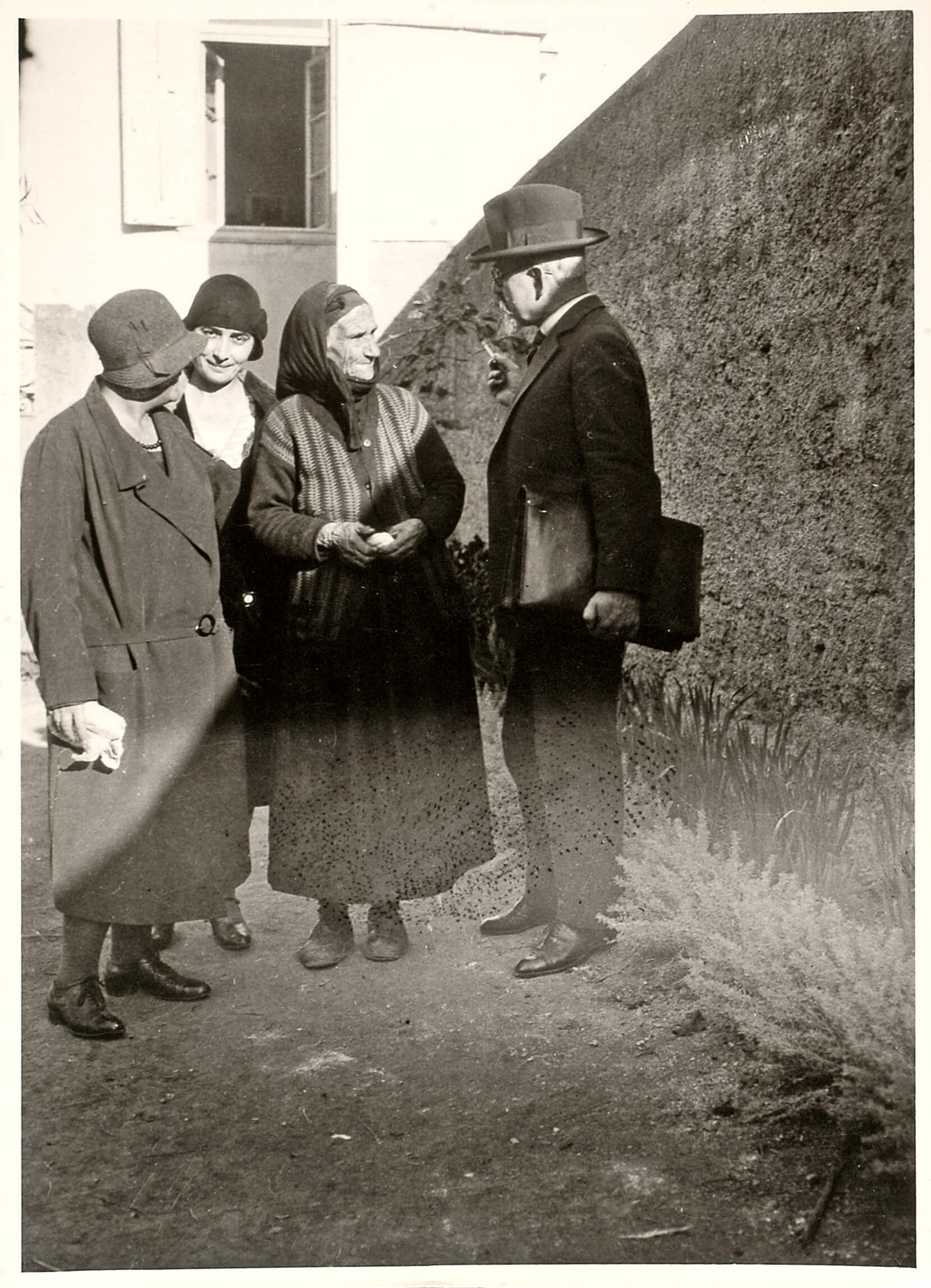
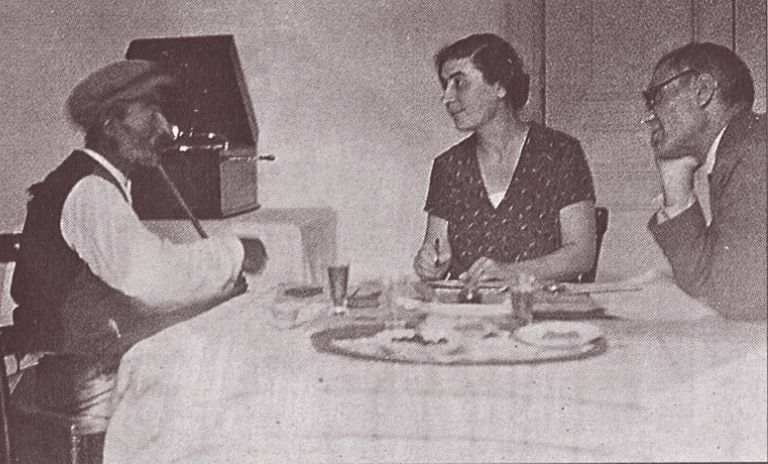
The Musical Folklore Archives were established on the occasion of the first large-scale recording project (1930–1931), which documented musical samples from across the Hellenic world, including Byzantine hymns and examples of local dialects and vernacular speech.
These recordings (together with similar projects in Romania and Czechoslovakia) were part of the broader vision of French linguist, phonetician, and philhellene Hubert Pernot, who sought to map musical and linguistic phenomena in the Balkans.
The project received both moral and practical support from the Greek government under Eleftherios Venizelos and was sustained by leading intellectual and cultural figures of the period.
The fruit of those recordings, which were implemented by technicians and equipment from the French firm Pathé, included approximately six hundred songs, instrumental pieces and speech samples on 222 vinyl records that were not made commercially available. The number of recordings was truly impressive for the technological and economic conditions of the time.
The coordination of the project was assigned to Melpo Merlier, Pernot’s student and associate. With the dramatic events of the Asia Minor Catastrophe and the Exchange of Populations still fresh on people’s minds, Melpo Merlier realized the urgency of documenting the musical traditions brought by refugees before their memories faded in their new environment.
The research resulting from those recordings, together with the need for systematic documentation, laid the foundation for the establishment of the Musical Folklore Archives.
Distinguished musicians and musicologists of the Interwar era—including Samuel Baud-Bovy, Nikos Skalkotas, Petros Petridis, Georgios Poniridis, Nikolaos Chrysochoidis, Aglaia Agioutanti, and Despoina Mazaraki collaborated with the Archives.
Postwar Years
The research activity of the Musical Folklore Archives continued and intensified after World War II.
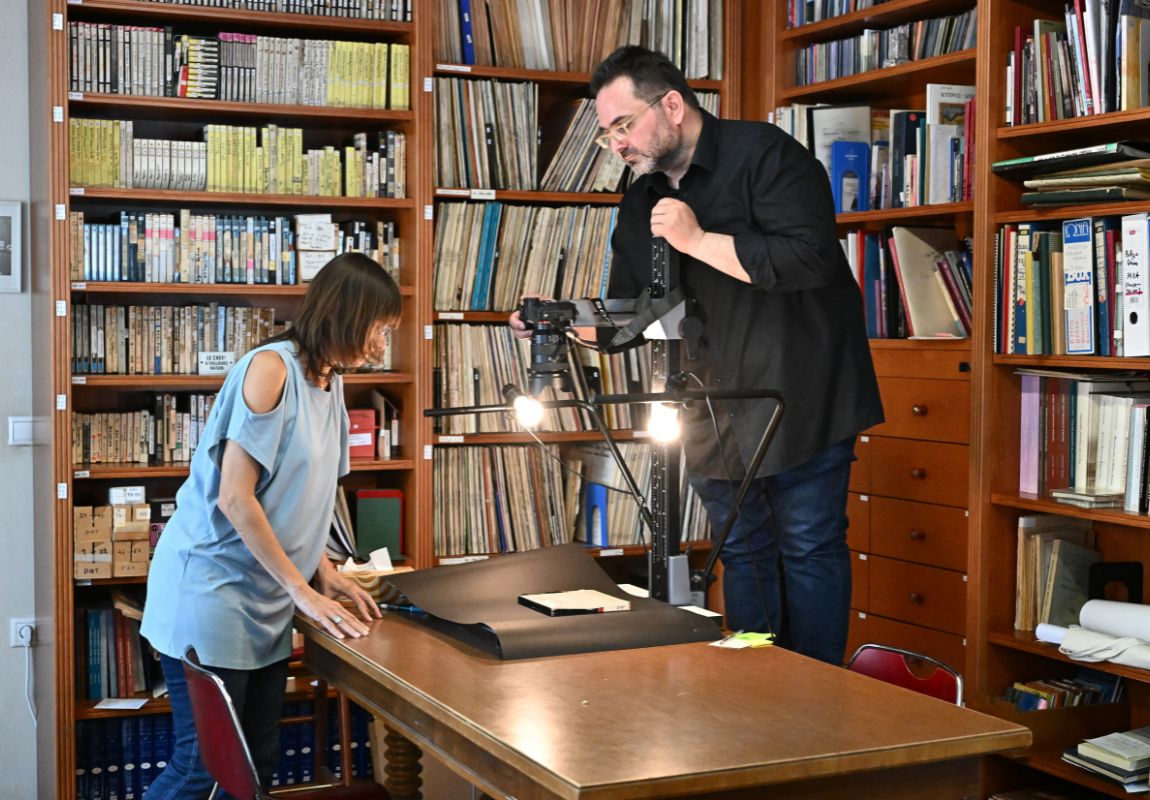
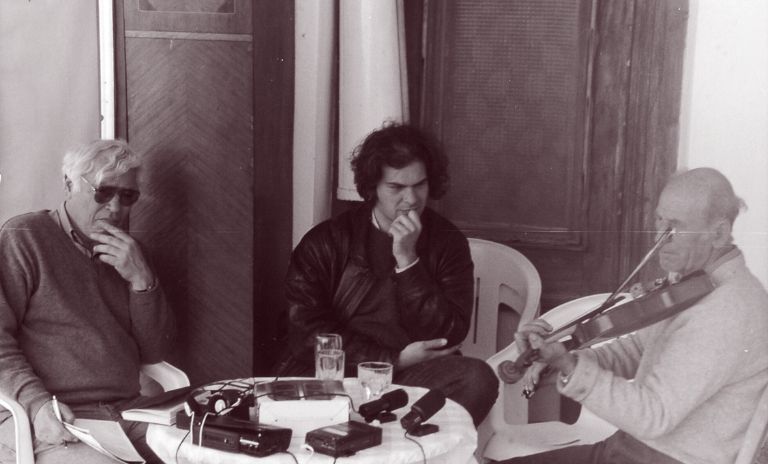
Advances in recording technology enabled extensive fieldwork across the Hellenic world, resulting in systematic documentation of regional musical traditions. The objective was to establish a “musical map”, reflecting the musical and folk peculiarities of each area, and to investigate relationships and interactions with the music of other regions, both in Greece and in the broader area of the Balkans and Asia Minor. This research direction was complemented by the establishment of a rich and diverse library of books and audio materials, including 78, 45, and 33 rpm records, cassette tapes, and CDs.
Musicologist Markos F. Dragoumis played a central role in the Archives from 1960—when he conducted his first field research under the guidance of Melpo Merlier—until his death in 2023. Combining rigorous musical training with methodological precision and ethnographic sensitivity, Dragoumis documented and analyzed the musical, social, and cultural transformations of postwar Greece. His numerous studies cover a broad spectrum: from countryside music to popular urban tunes and Byzantine
music.
Other associates of the Musical Folklore Archives, from the 1980s onwards, included Leonidas Empeirikos, Thanassis Moraitis and Katerina Georgiadou. The most important result of these collaborations is the series of books and records produced by the Archives.
Today
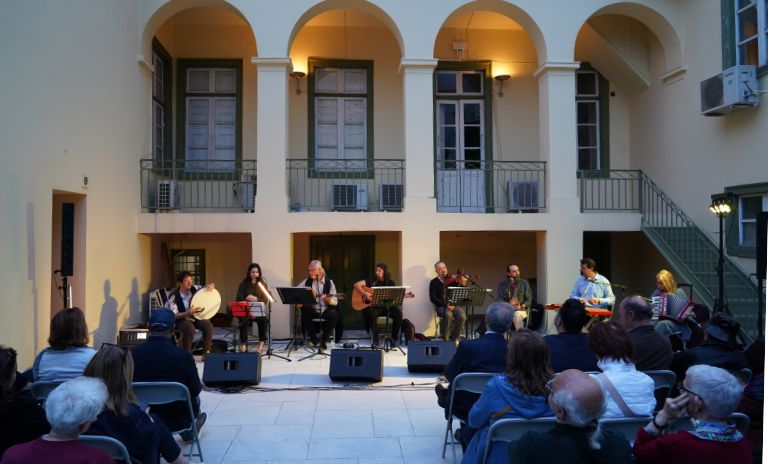
Today, building on its rich historical legacy and the opportunities provided by modern technology, the Musical Folklore Archives continue to preserve, document, study, and disseminate the musical traditions of the Hellenic world while expanding their scope to meet the challenges of the twenty-first century.
Musical Folklore Archive Staff:
MFA Supervisor: Haris Sarris
MFA Associate : Katerina Georgiadou